
This week, the Center for World-Class Universities again ranked Harvard the top university in the world. Harvard has owned the top spot in each of the 13 years they’ve ranked the world’s universities. There is no doubt Harvard is the preeminent academic institution in the land, but is it the top school in the world? Certainly not all Harvard’s students would agree with this assessment.
Last year, a female student wrote a harrowing account of being sexually assaulted on campus. Most disturbing about her story was the way school officials responded to the incident.
“I convinced myself that if I pushed hard enough, if I made enough noise, someone somewhere would hear me, stand up, do something,” the student wrote, “But no one really did.”
In the letter, she describes the inaction and insensitivity of the staff who heard her story. With each passing month, she met bureaucratic roadblocks and antiquated policies that denied her justice and ignored her plight. And she is not an anomaly on our “top” college campuses. She writes honestly about her exhaustion and depression that ultimately drove her to drop out at Harvard. She looked for help from Harvard’s leaders and all she found was red tape.
But the more I read about Harvard’s history, the less surprising this story becomes. When Harvard’s leaders are given an incomplete vision for what flourishing looks like for their students, how can they be held accountable? Harvard used to emphasize the character and morals in all its hiring decisions.
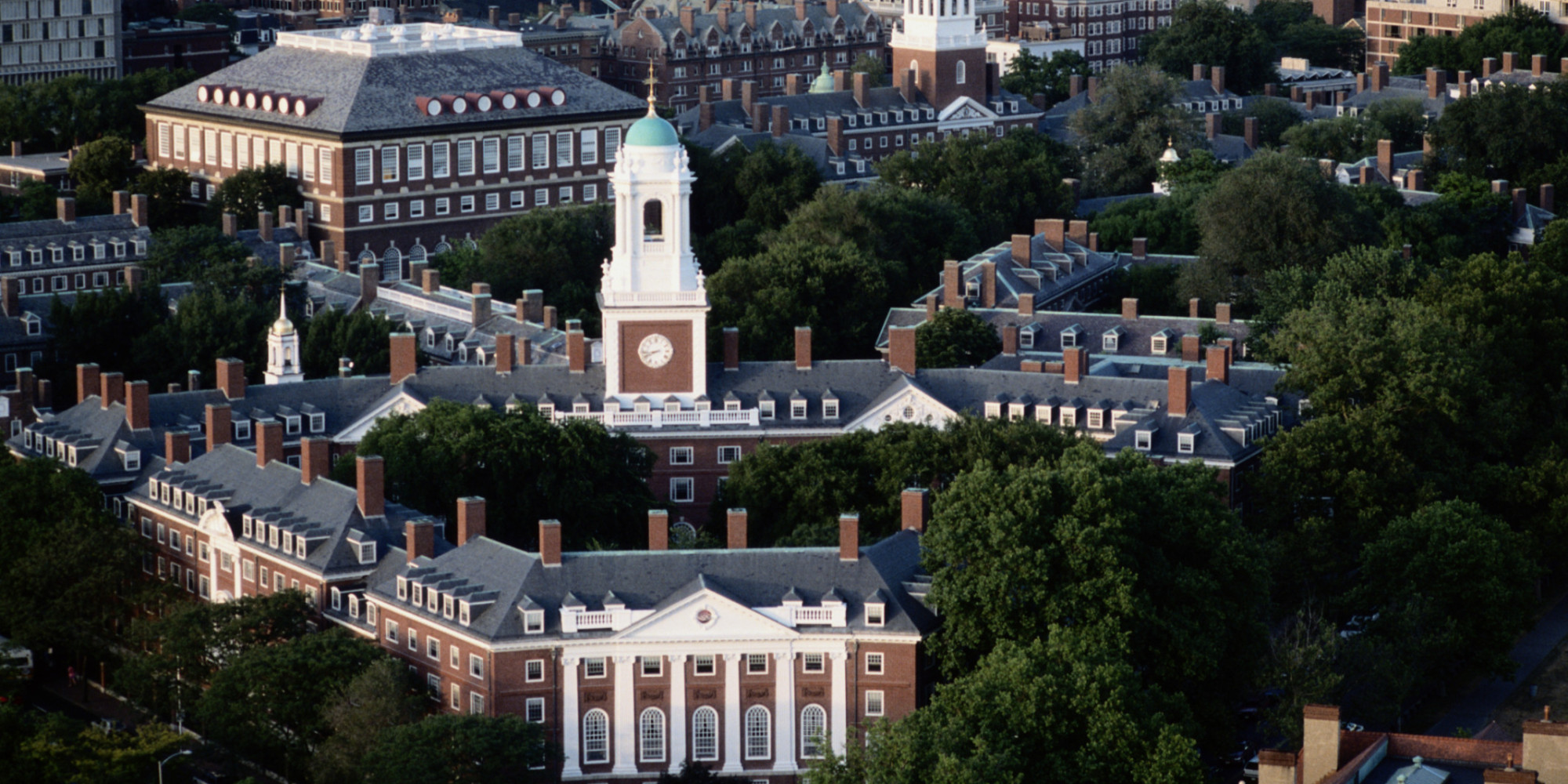
Harvard University (photo source: Facebook)
In the modern work environment, looking beyond candidates’ hard skills to the lives they lead seems almost inappropriate. John is applying to be an accounting professor; what does it matter how he treats his wife and kids and whether or not he serves in his local community?
Yet, Harvard’s shift away from morals and character in their hiring, to academic credentials predominantly, is one of the primary reasons Derek Bok suggests Harvard has lost sight of its founding vision. Derek Bok served twice as president at Harvard University, from 1971–1991 and in an interim basis from 2006–2007.
“The practice of looking at the personal character of candidates for faculty appointment fell into disuse,” Bok wrote in his annual letter to the Harvard Board in 1987. “Intellect and technical proficiency had decisively triumphed as the preeminent goals of the professoriat.”
The 33-page letter reads like a lament. In the note, Bok chronicles the slow and steady departure Harvard has taken from the vision at its founding. Bok wrote how compared to graduates from earlier years, Harvard students today cheated more and served their communities less. Students were less concerned about finding a “meaningful philosophy of life.”
“In these circumstances, universities, including Harvard, need to think hard about what they can do in the face of what many perceive as a widespread decline in ethical standards,” Bok wrote. “Several studies have found that undergraduates are growing less altruistic and more preoccupied with self-serving goals.”
Bok outlined how Harvard’s leaders placed very high value on the moral development of their students during the 1700s and 1800s. They responded to student infractions like vandalism, drunkenness, and sexual misconduct with resolute seriousness. They emphasized character and urged students to live “god-fearing, upright lives.”
Harvard’s leaders were capable of creating this environment because they modeled this in their own lives. But today, many Harvard students aren’t finding a coherent educational experience. Not only are they unable to address issues like rape with moral conviction, but they’re also increasingly scared of confronting these very real challenges facing their fellow students and the world around them.
Bok’s findings about the modern realities at Harvard are unsurprising. As the university began to care less about the character of their leaders—of their board, faculty and staff members—the emphasis upon these things with the students naturally began to wane. Harvard has done significant good in the world. Many Harvard students, including my boss, have enjoyed incredible experiences studying on the beautiful campus in Cambridge, Massachusetts.
But if Harvard is the top university of the land, it will need to reexamine exactly what sort of environment it is creating for students. And, we need to reimagine how we think about hiring. Who and how organizations hire forms the sorts of organizations they become.